2 Days Argolis-Olympia Tour: Two Days, a Lifetime of Memories
The 2 days Argolis-Olympia tour is, without question, the most rewarding journey you can take through ancient Greece. In just two days, you travel from Bronze Age citadels and a perfectly preserved ancient theatre to the very valley where the Olympic Games were born. This isn't a checklist tour — it's the kind of trip people talk about for years.
Here's exactly what you'll experience, and why it's worth every hour on the road.
Day 1: The Argolis Region — Corinth, Mycenae, Nafplion & Epidaurus
Four stops. Four completely different worlds. Day one of the Argolis-Olympia tour is, for many people, the day that redefines what they thought they knew about ancient Greece.
The Corinth Canal — Your First Jaw-Dropping Moment
The day begins with a short drive from Athens before you hit your first stop: the Corinth Canal. Completed in 1893 after centuries of failed attempts, this 6 km-long channel cuts straight through solid rock to connect the Aegean Sea with the Ionian Sea. Standing on the bridge and staring straight down into the narrow gorge of water below is one of those travel moments you don't forget quickly. It's a brief stop — but it sets exactly the right tone for what's ahead.
Ancient Corinth — Where Trade, Myth & the Apostle Paul Converge
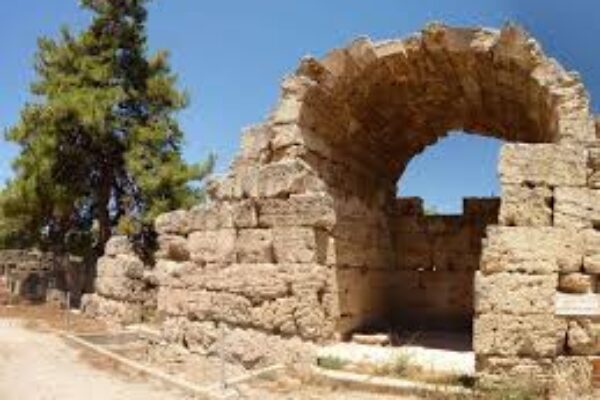
Just a short drive from the canal lies Ancient Corinth, one of the most strategically important cities of the ancient world. Sitting right on the Isthmus between two seas, it was a powerhouse of Mediterranean commerce. The Corinthians even invented the Diolkos — a stone-paved road used to drag ships on wheeled platforms between the two gulfs, giving them unrivalled control over trade routes long before the canal was ever built.
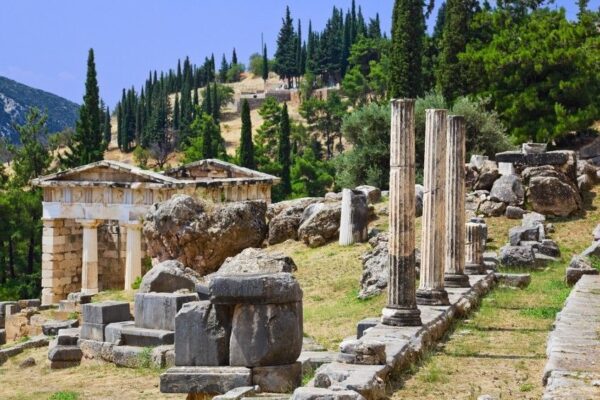
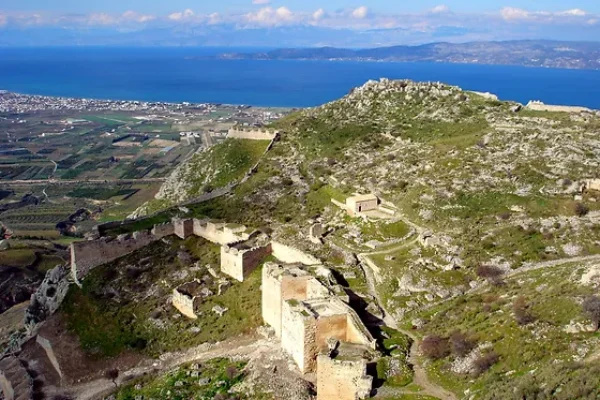
At the archaeological site, you'll explore the Temple of Apollo, one of the oldest Doric temples in Greece, Glauke's Well (tied to the myth of Jason and Medea), Roman temples and baths, and the Bema — the very platform where the Apostle Paul was brought before the Roman proconsul Gallio, as recorded in the Acts of the Apostles. Looming above the site is Akrokorinthos, the hilltop citadel that changed hands between Greeks, Romans, Byzantines, Franks, Venetians, and Ottomans over the centuries — and still offers views that remind you exactly why this place was worth fighting over.
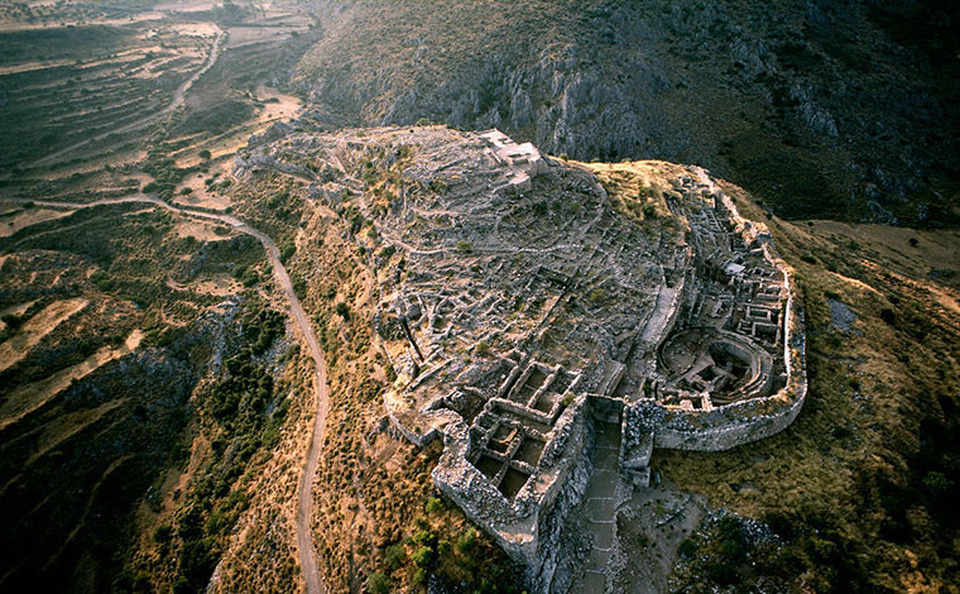
Mycenae — 3,000 Years of History Through One Gate
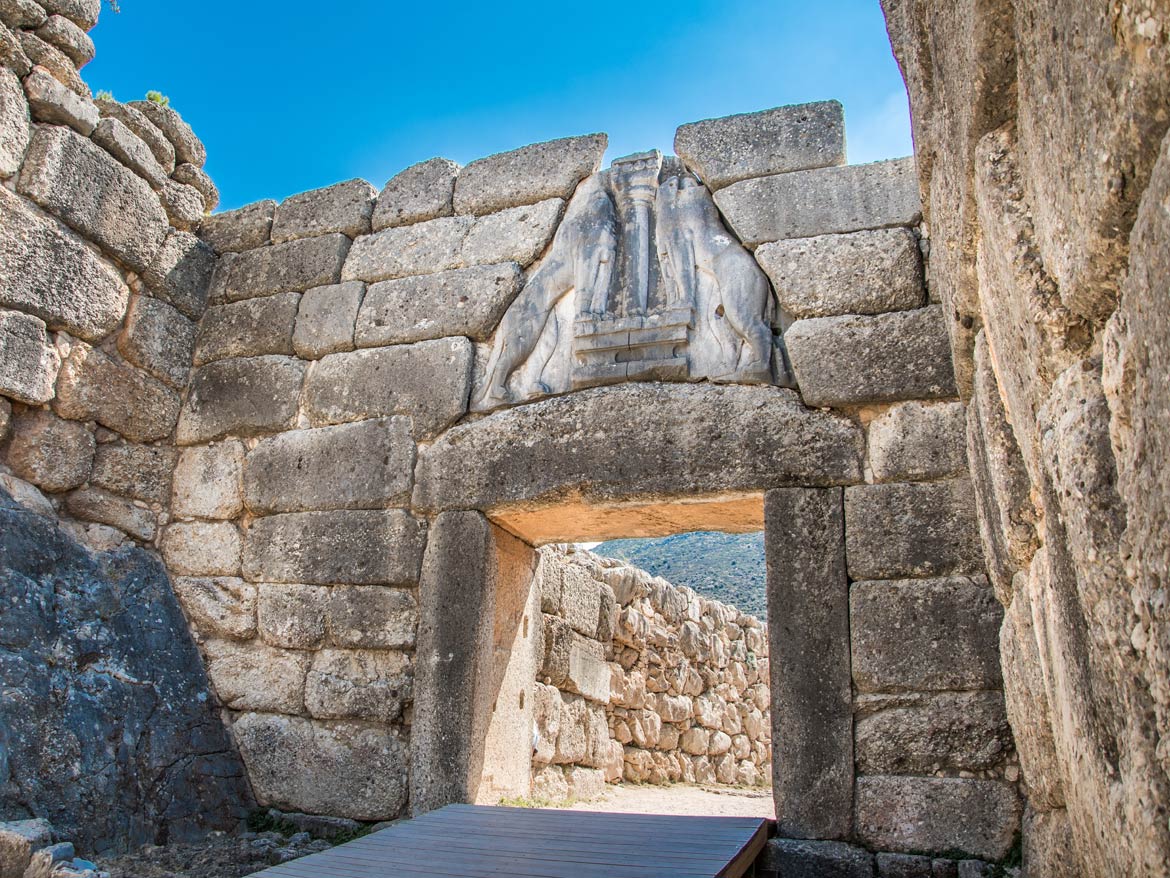
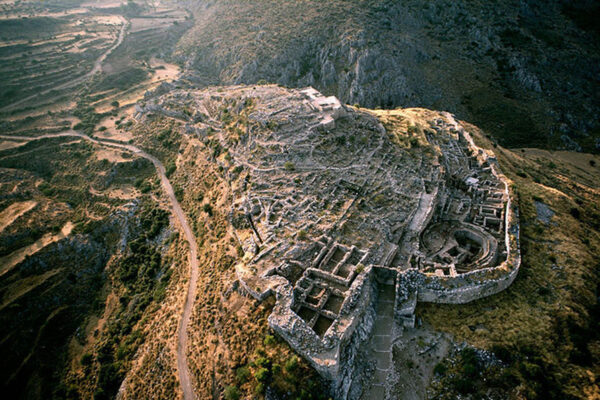
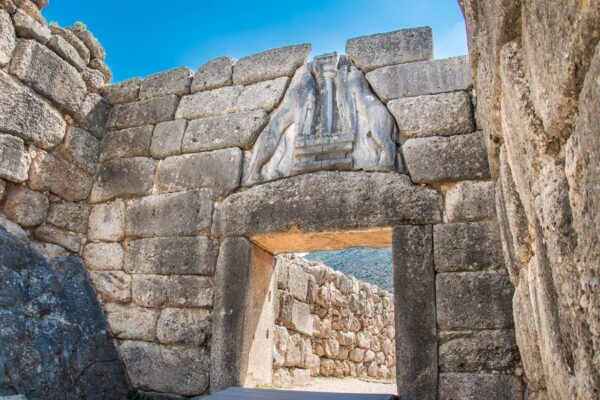
Nothing quite prepares you for Mycenae. As you approach the citadel and the path narrows toward the entrance, you come face to face with the Lion Gate — built around 1250 BC, it is the oldest surviving monumental sculpture in Europe and the only large-scale Bronze Age relief that has stood above ground, unburied, for over three millennia. Two colossal jambs support a lintel block roughly 4.5 meters long, above which a carved relief of two lionesses flanking a column served as the emblem of Mycenaean royal power.
The stones are so large and so tightly fitted that later Greeks believed they must have been placed by the Cyclopes — the one-eyed giants of mythology. Step through the gate and you enter the world of Agamemnon, the Trojan War, and the civilization that gave Homer his greatest material.
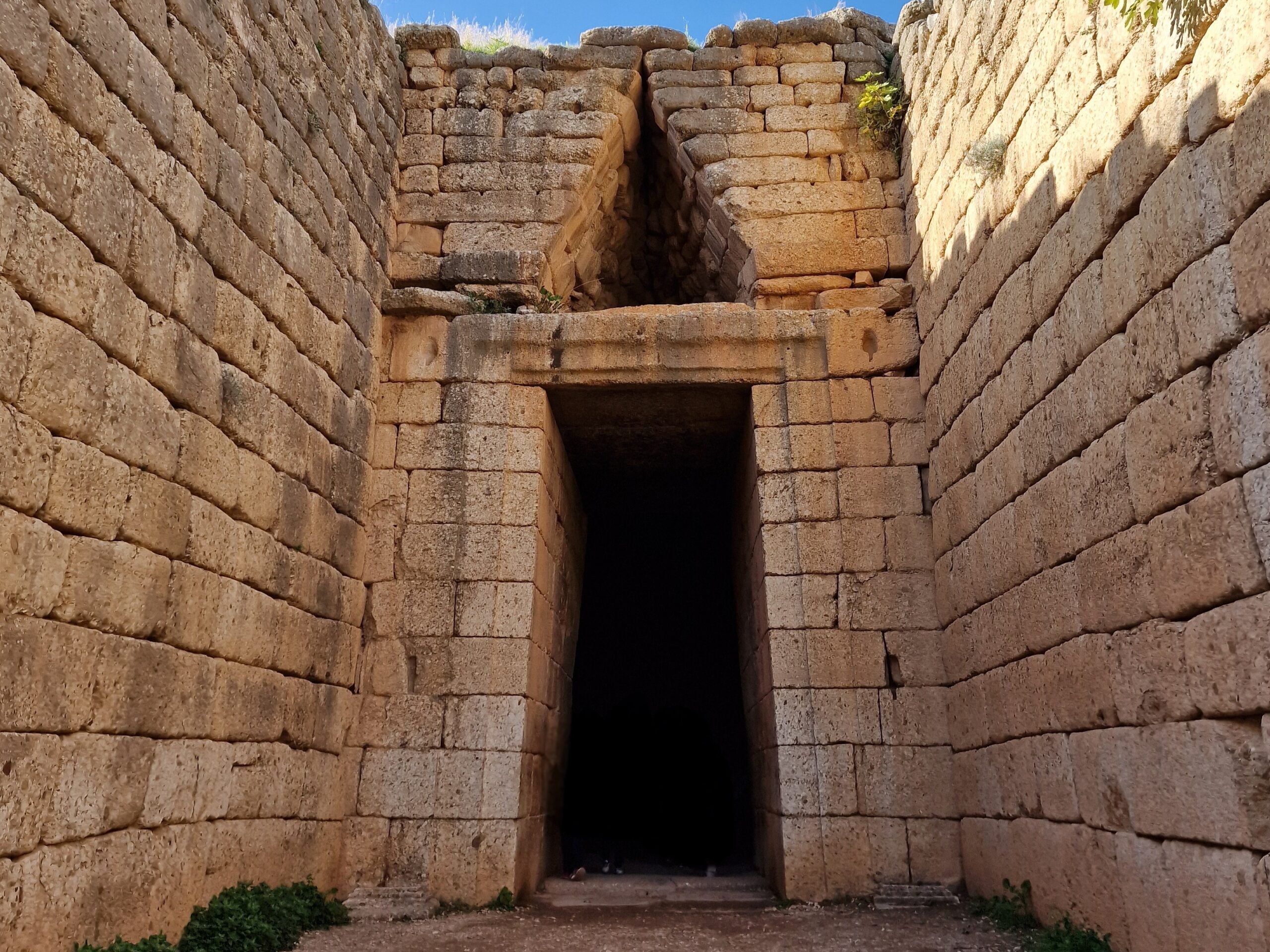
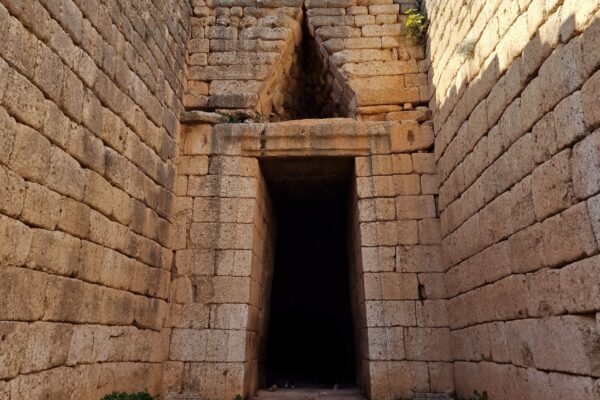
Inside the citadel, you'll see Grave Circle A, where Heinrich Schliemann unearthed the famous gold funeral masks in 1876, and the remains of the Royal Palace with its sweeping views over the Argive plain. Just outside the main site, don't miss the Treasury of Atreus — a domed tholos tomb of extraordinary precision, built at the height of Mycenaean power around 1250 BC, that still leaves visitors speechless at the scale of what was achieved without modern tools.
Nafplion — Lunch in Greece's Most Romantic Town
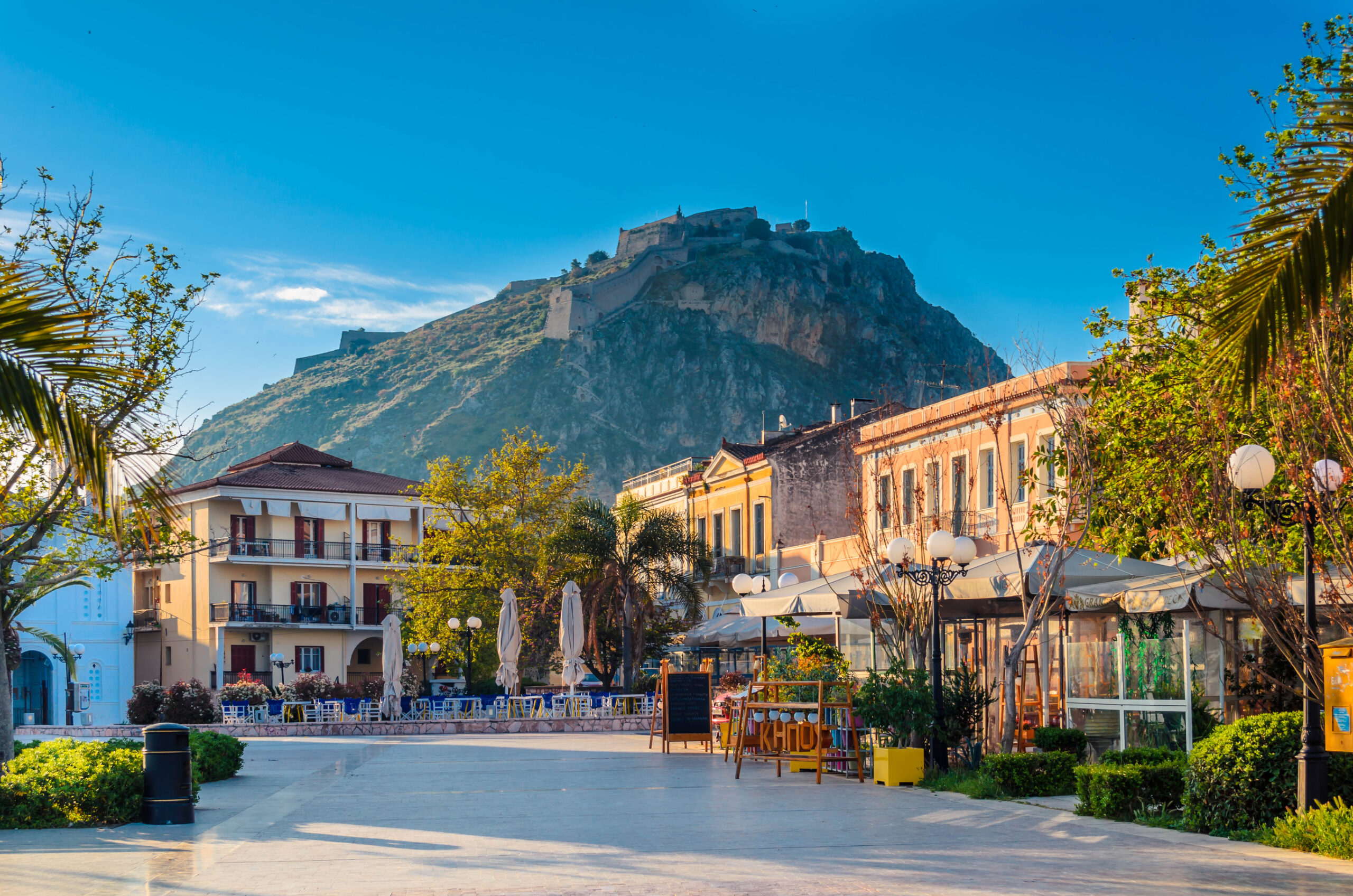
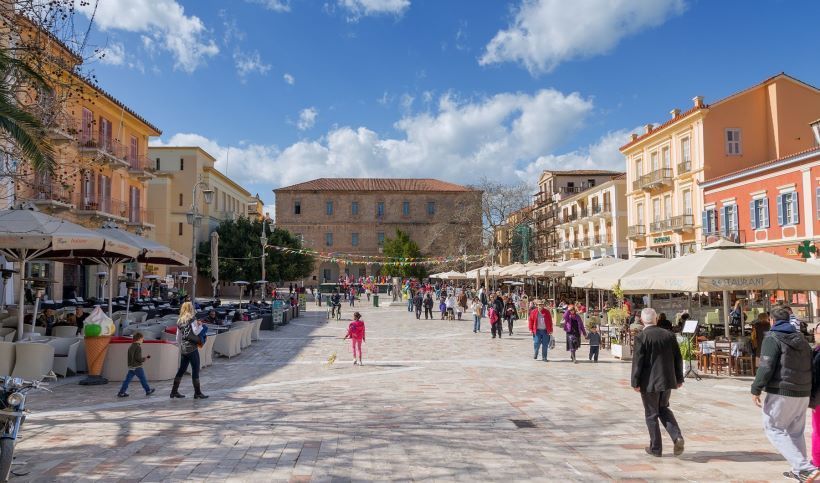
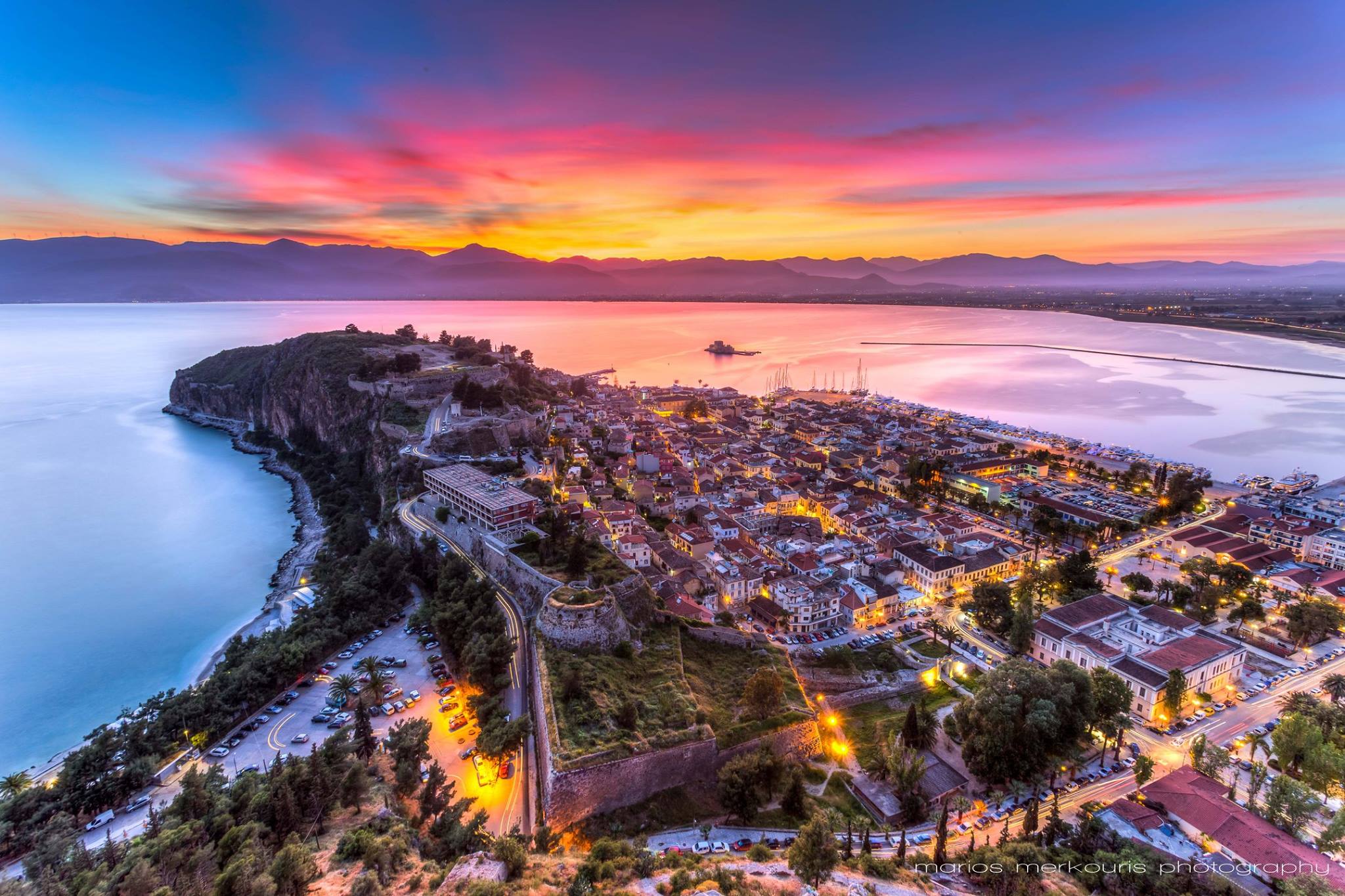
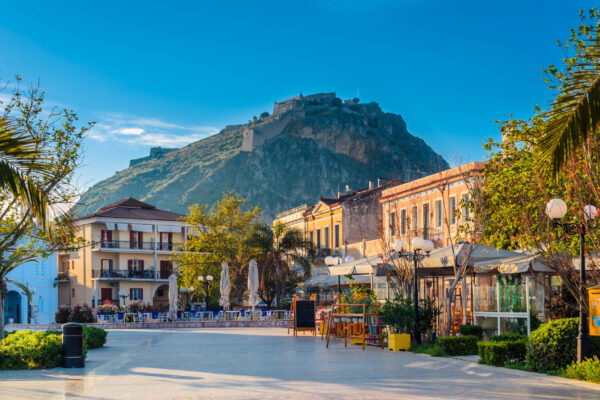
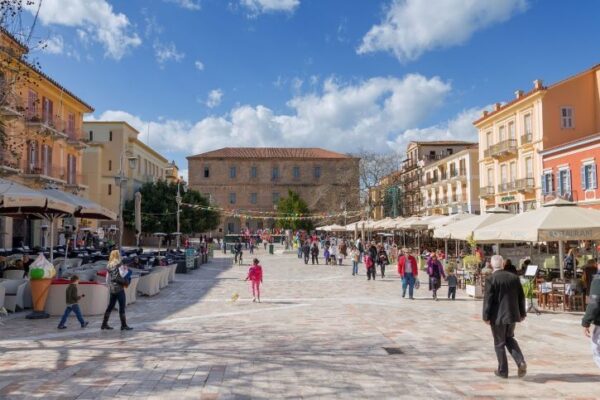
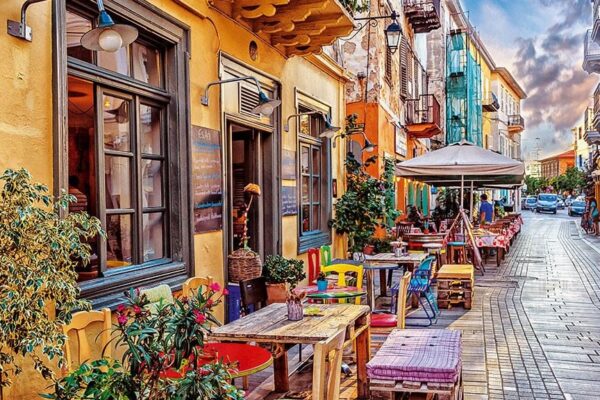
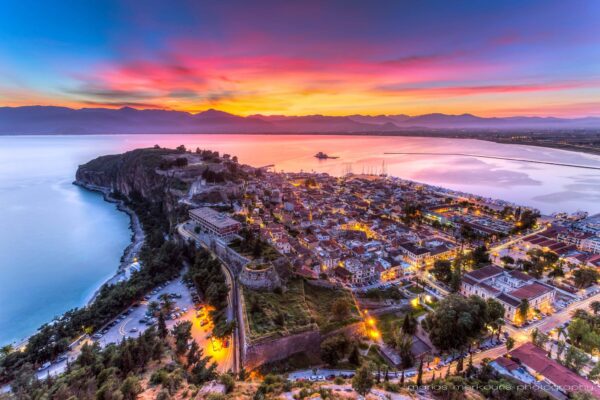
After Mycenae, you arrive in Nafplion — Greece's first modern capital, set on the Argolic Gulf, known by the Venetians as the "Naples of the East." Its old town is a layered mix of Venetian mansions, Ottoman fountains, neoclassical facades, and cobblestone lanes full of bougainvillea. The Bourtzi castle sits on a small island in the harbor; the Palamidi Fortress towers over the hilltop above.
This is your lunch stop, and it's a good one. Nafplion has excellent tavernas, and eating by the waterfront with the Argolic Gulf in front of you is one of those simple pleasures that makes the whole trip feel worth it. Take a slow walk through Syntagma Square after lunch — you'll understand immediately why this town has a reputation as one of the most romantic in all of Greece.
The Theatre of Epidaurus — An Acoustic Wonder of the Ancient World
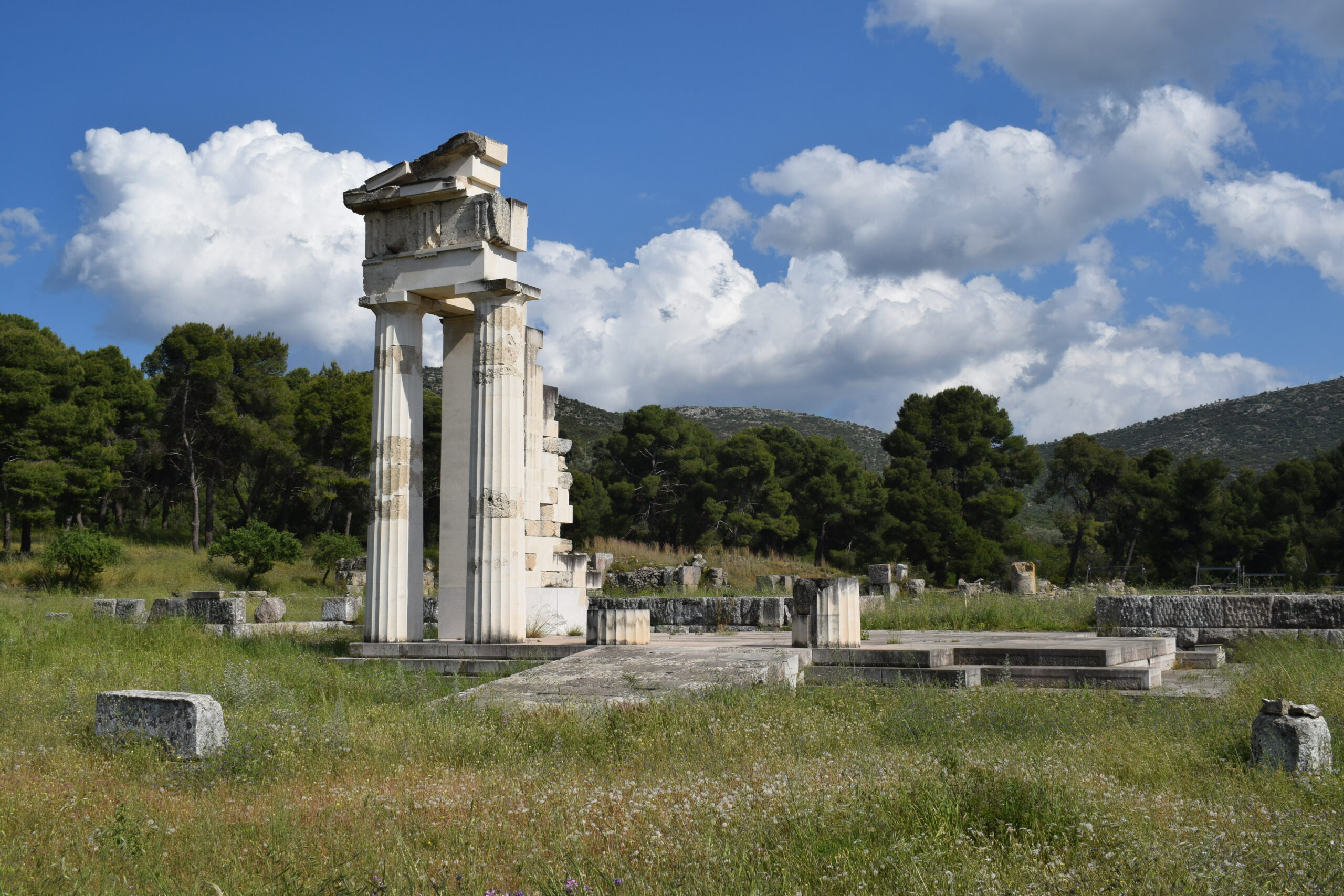
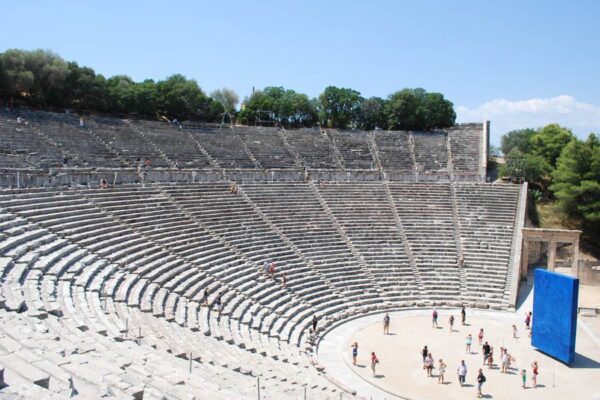
The final stop of Day 1 is one of the most extraordinary structures anywhere on earth. The Ancient Theatre of Epidaurus is regarded as the best-preserved ancient theatre in Greece, renowned for its perfect acoustics and fine structure — so precise that even the sound of a pin dropping on stage can be heard by all 15,000 spectators.
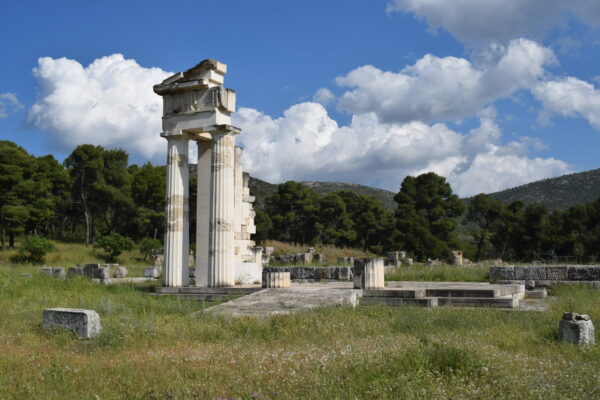
Guides lead visitors to the center of the stage and have them speak quietly, while others sit in the highest rows — and every word carries up clearly, as if amplified by invisible technology. The theatre was built in the 4th century BC as part of the Sanctuary of Asclepios, the ancient world's most celebrated healing center, where patients traveled from as far as Rome seeking the god of medicine's cure. Since 1955, the theatre has continuously hosted performances as part of the Athens Epidaurus Festival every summer. It became a UNESCO World Heritage Site in 1988, and it remains one of the few ancient structures still fulfilling its original purpose.
After Epidaurus, you'll settle into your hotel — most likely in Nafplion, which is an excellent base for the evening.
Day 2: Ancient Olympia — The Birthplace of the Games
The Drive Through the Peloponnese
Leaving Athens and heading southwest, you'll stop briefly again at the Corinth Canal before pushing deeper into the Peloponnese. The drive takes you through Nemea (famous for its red wine), Tripoli, and Megalopoli — passing through some of the most fertile and beautiful countryside in Greece. Olive groves, orange orchards, and rolling hills fill the landscape for hours. The journey itself, about 4 hours, is part of the experience.
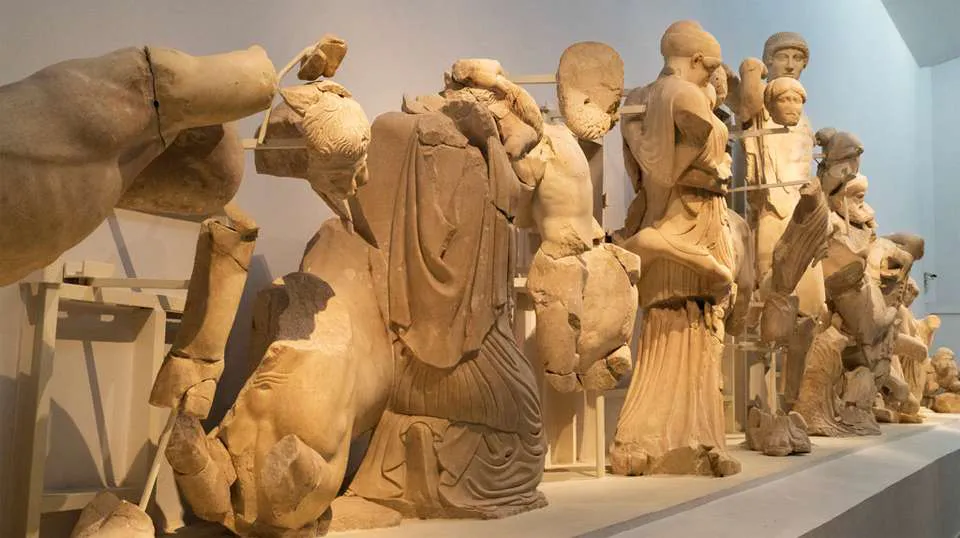
The Archaeological Museum of Olympia — Before You See the Site
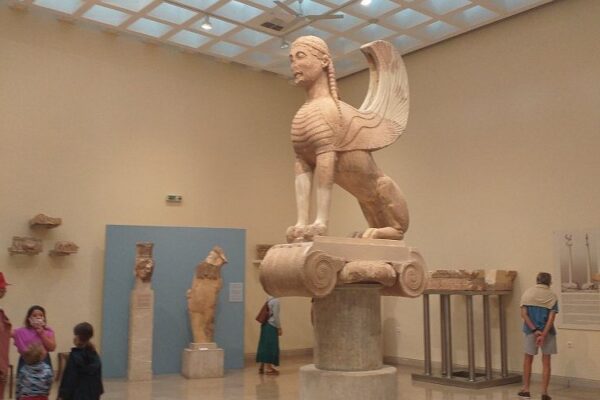
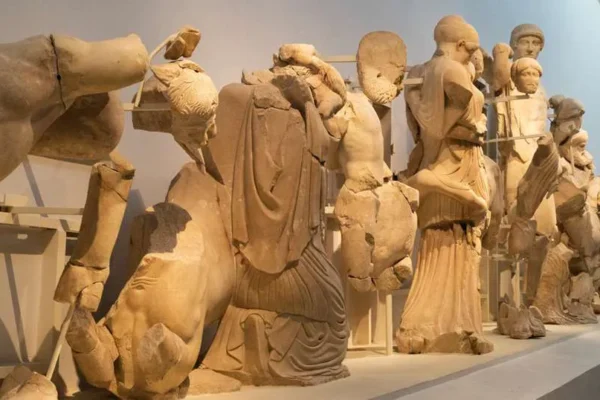
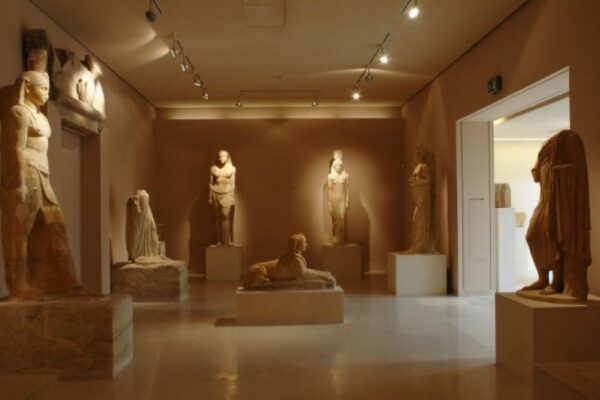
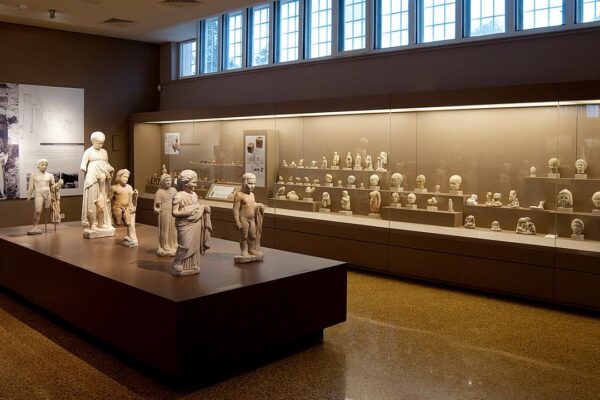
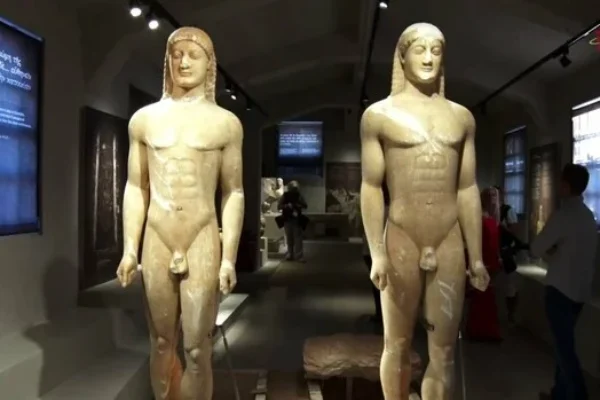
Most visitors want to walk straight into the ruins, but trust us — start with the museum. Inside, you'll come face to face with masterpieces that define ancient Greek art: the marble Hermes of Praxiteles (holding the infant Dionysus), the winged Nike of Paionios, and the breathtaking friezes from the Temple of Zeus depicting the Labors of Hercules.
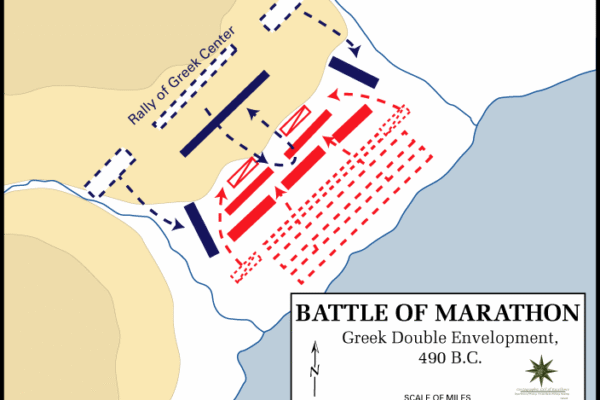
You'll also see the helmet of Miltiades, the general who led the Greeks to victory at the Battle of Marathon, and the remains of Phidias' workshop — the same sculptor who created the statue of Athena inside the Parthenon, and later, the colossal Statue of Zeus at Olympia, standing 17 meters tall in gold and ivory, counted among the Seven Wonders of the Ancient World.
The Archaeological Site — Walking Where Athletes Competed
Stepping into the ancient site, you immediately feel the scale of what this place once was. The Olympic Games were held here every four years from 776 BC to 393 AD — not just athletic competition, but a sacred festival in honor of Zeus, during which an Olympic truce was declared across all of Greece so athletes could travel safely.
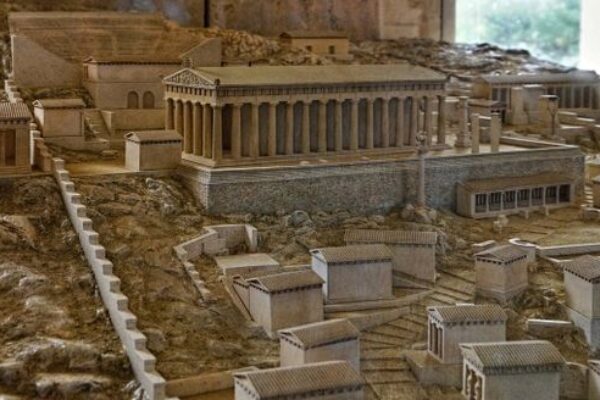
You'll walk through the Temple of Hera (built around 600 BC, one of Greece's oldest), the foundations of the Temple of Zeus, the Palestra (training ground for wrestling and boxing), the Gymnasium, and the Prytaneion — where officials and champions gathered. And then there's the Stadium itself — step inside, and you're standing on the track where the greatest athletes of the ancient world competed for an olive wreath and eternal glory. The stadium held up to 60,000 spectators.
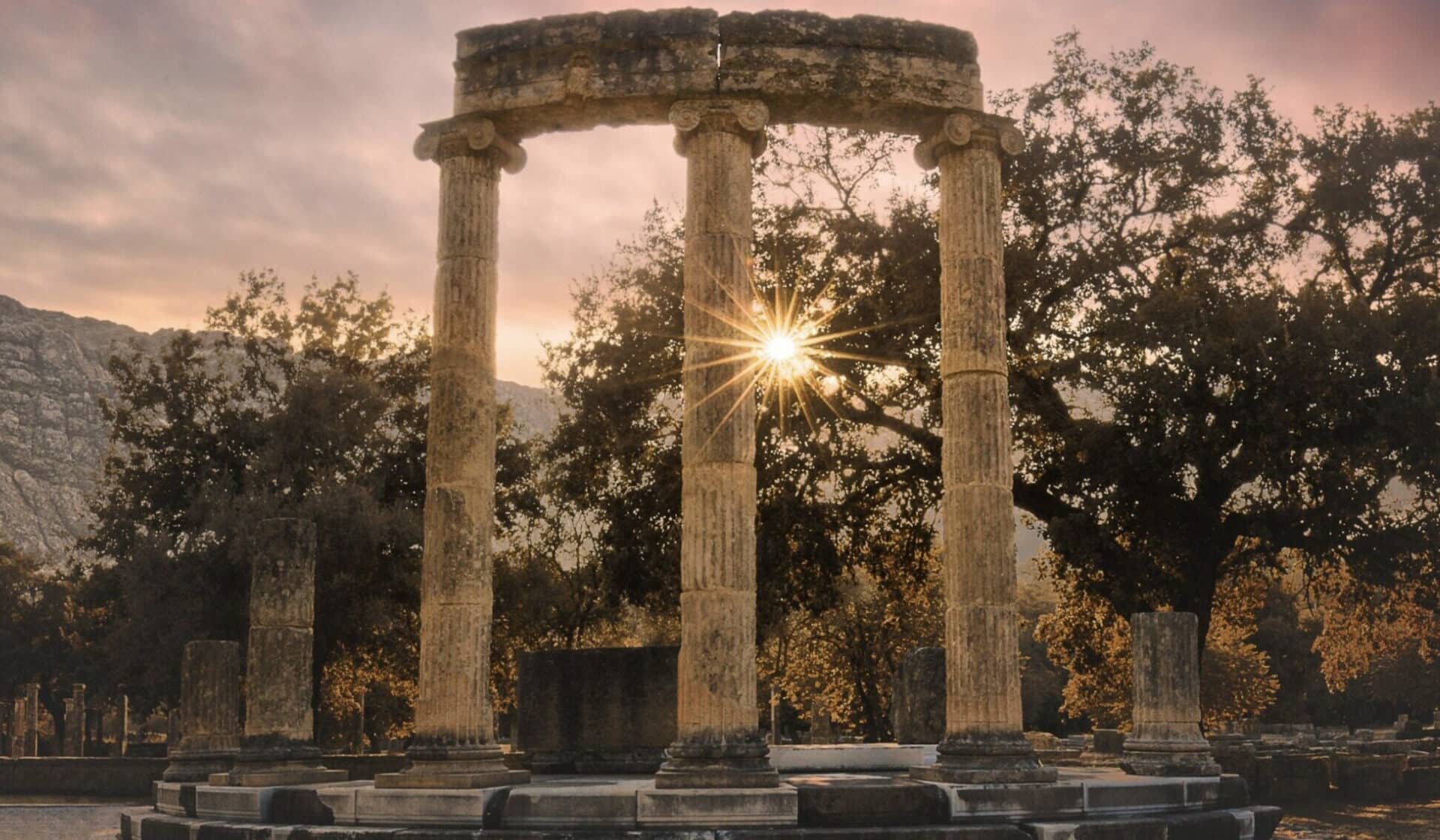
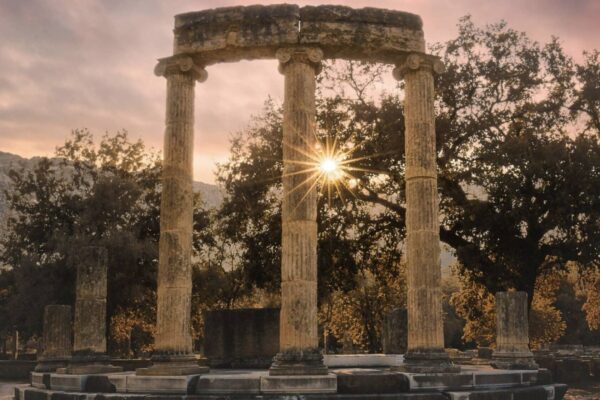
Don't miss the Philippeion, a monument containing statues of King Philip of Macedon and Alexander the Great — both of whom competed at Olympia. Today, the site is also where the Olympic Flame ceremony is held every four years before the Summer Games.
After the site, you'll have time for lunch, shopping, and a visit to the Ancient Greek Technology Museum before the drive back to Athens.
Why Take a Guided Argolis-Olympia Tour?
These sites are vast, and the stories behind them are layered. A knowledgeable guide makes the difference between walking past a pile of stones and understanding exactly what you're looking at — why it was built, who used it, and what it meant to the people of the ancient world. The myths, the politics, the daily lives of ordinary Greeks — a great guide brings all of it to the surface.
On a private tour, the itinerary bends to your pace. Want to spend longer at the Stadium? Done. Fascinated by the Phidias workshop? Your guide can go deeper. That flexibility is something no group bus tour can offer.
Ready to Book Your Argolis-Olympia Tour?
This is Greece at its most profound — not just beautiful landscapes, but the actual places where Western civilization was shaped. The Argolis-Olympia tour covers more meaningful ground than almost any other itinerary in the country.
Book your private tour today and experience ancient Greece the way it deserves to be seen.